A reliable heating system can make a major difference in home comfort during colder months. For many homeowners, a gas furnace is a practical option because it can provide consistent heat and efficient operation when properly selected and installed.
However, installing a gas furnace is more than simply replacing an old heating unit. The furnace needs to be correctly sized, properly connected, safely vented, and tested to ensure it operates as intended. Understanding the installation process can help homeowners make informed decisions and prepare for a successful heating upgrade.
When Should You Consider a New Gas Furnace?
A furnace does not necessarily need to be replaced just because it is getting older. However, certain signs can indicate that replacement may be worth considering.
Common reasons to consider a new gas furnace include:
- Frequent breakdowns and repair needs
- Rising heating costs
- Uneven temperatures throughout the home
- Unusual noises during operation
- Difficulty keeping the desired indoor temperature
- A furnace approaching the end of its expected service life
- Increasingly expensive replacement parts or repairs
If your current system is struggling to provide dependable heat, a professional inspection can help determine whether repair or replacement makes more sense.
Choosing the Right Furnace for Your Home
One of the most important parts of installation is selecting a furnace that is appropriate for the property. Bigger is not always better when it comes to heating equipment.
A properly sized furnace should provide enough heating capacity without repeatedly cycling on and off. An oversized system may heat certain areas quickly but can operate inefficiently and create inconsistent comfort.
A professional HVAC technician can evaluate factors such as home size, insulation, windows, layout, and existing ductwork when determining the appropriate furnace capacity.
Understanding Furnace Efficiency
Gas furnaces are available with different efficiency ratings. A higher-efficiency furnace can convert more of its fuel into usable heat, potentially reducing energy waste.
Homeowners should consider both the furnace’s efficiency and the property’s heating needs when comparing options. The most expensive or highest-rated unit is not automatically the right choice for every home.
A professional can explain efficiency ratings and help you understand how different equipment options may affect long-term operation.
What Happens During Gas Furnace Installation?
Professional installation typically involves several important steps.
Evaluating the Existing Heating System
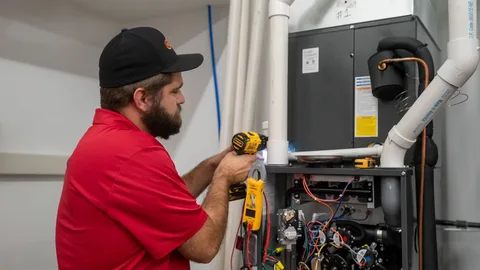
Before installing the new furnace, the technician should evaluate the existing system and determine what equipment, connections, ductwork, and ventilation components are involved.
This assessment helps identify potential issues before installation begins.
Removing the Existing Furnace
If the project involves replacing an old unit, the existing furnace is carefully disconnected and removed. Gas and electrical connections should be handled using appropriate safety procedures.
Preparing the Installation Area
The installation area needs to be suitable for the new equipment. The technician may need to make adjustments to duct connections, gas lines, electrical connections, or other components.
Installing the New Furnace
The new furnace is positioned and connected according to the manufacturer’s requirements and applicable codes. Proper connections are essential for safe and reliable operation.
Checking Ventilation and Combustion
Gas furnaces produce combustion gases that need to be properly vented. The technician should inspect the ventilation system and ensure combustion air and exhaust requirements are appropriately addressed.
Testing the System
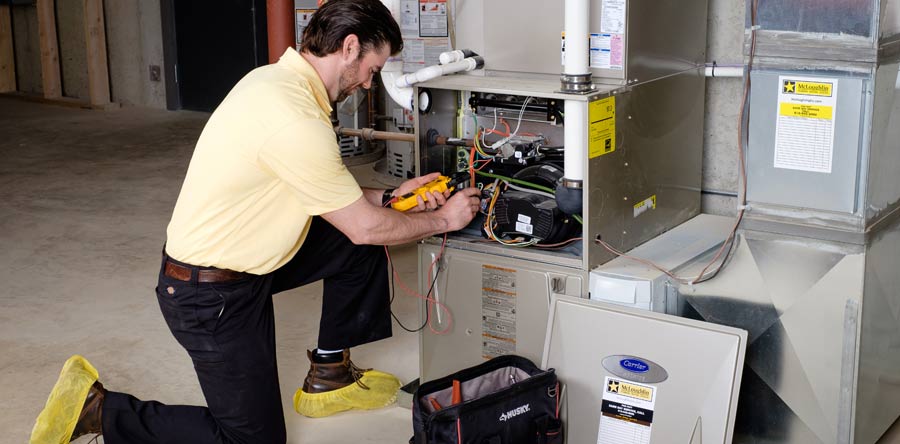
After installation, the furnace should be thoroughly tested. This includes checking operation, airflow, thermostat communication, gas connections, ignition, and other relevant components.
Why Proper Gas Furnace Installation Matters
A furnace that is incorrectly installed may experience performance and safety problems. Poor airflow, improper connections, inadequate ventilation, or incorrect sizing can affect how the system operates.
Professional installation helps ensure that the equipment is set up according to manufacturer specifications and applicable requirements.
It can also help reduce avoidable problems and provide homeowners with greater confidence in their heating system.
How Ductwork Affects Furnace Performance
A new furnace cannot perform properly if the home’s ductwork has significant problems.
Leaks, restrictions, poor connections, or inadequate airflow can prevent heated air from being distributed effectively. In some homes, ductwork may need to be inspected or adjusted as part of a furnace replacement.
Addressing airflow problems can help the new system deliver more consistent heating throughout the home.
What Homeowners Should Ask Before Installation
Before approving a furnace installation, homeowners should understand what the project includes.
Useful questions to ask an HVAC professional include:
- Is the furnace properly sized for my home?
- What efficiency rating does the system have?
- Will the existing ductwork work with the new furnace?
- Does the ventilation system need modifications?
- What components are included in the installation?
- What maintenance will the new furnace require?
- What warranty coverage is available?
- Are there any existing issues that should be addressed before installation?
Clear answers can help you understand the equipment and the scope of the project before work begins.
How to Maintain a New Gas Furnace
Professional installation is only the beginning. Regular maintenance can help keep a furnace operating efficiently and reliably.
Homeowners should replace or clean the air filter according to the manufacturer’s recommendations. A dirty filter can restrict airflow and make the system work harder.
It is also helpful to keep supply and return vents clear and avoid blocking them with furniture or household items.
Scheduling professional furnace maintenance can provide an opportunity to inspect important components, identify developing problems, and keep the system operating properly.
Signs Your Newly Installed Furnace Needs Attention
A properly installed furnace should provide consistent heating without unusual behavior. Contact an HVAC professional if you notice:
- Persistent unusual noises
- Poor or inconsistent airflow
- Repeated short cycling
- Unusual odors that do not go away
- Difficulty maintaining the thermostat setting
- Unexpected increases in heating costs
- Problems with ignition or system startup
If you ever suspect a gas leak or another immediate safety concern, leave the area and contact the appropriate emergency or gas service provider.
Why Choose Falcon Plumbing & Heating?
Choosing the right HVAC professional is an important part of a successful furnace installation. Falcon Plumbing & Heating can help homeowners evaluate their heating needs and understand the options available for a new gas furnace.
From equipment selection and installation to ongoing maintenance, professional service can help ensure that your heating system is properly installed and ready for the demands of colder weather.
A new furnace represents a significant home investment, so taking the time to choose the right equipment and qualified installation service can make a meaningful difference in long-term comfort and system performance.
Prepare Your Home for Reliable Heating
A gas furnace can provide dependable home heating when the system is properly selected, installed, and maintained. Before replacing an aging furnace, consider the condition of your current system, your home’s heating requirements, equipment efficiency, ductwork, and long-term maintenance needs.
With professional guidance from Falcon Plumbing & Heating, homeowners can better understand their options and prepare for a furnace installation that supports comfortable and dependable heating.