Your furnace plays an important role in keeping your home comfortable during cold weather. Like any major home system, however, a furnace can develop problems as it ages. Some issues can be resolved with a professional repair, while others may indicate that replacing the entire system is a more practical option.
Knowing the warning signs can help homeowners address heating problems before they lead to an unexpected breakdown. It can also help you understand when continuing to repair an aging furnace may no longer be the right approach.
Your Furnace Is Not Heating Properly
One of the most obvious signs of a furnace problem is a noticeable drop in heating performance.
You may notice that your home takes longer to reach the thermostat setting, certain rooms remain cold, or the furnace runs continuously without providing enough heat. These problems can have several causes, including airflow restrictions, thermostat issues, mechanical problems, or an aging heating system.
A professional inspection can identify the underlying cause and determine whether a repair is appropriate.
The Furnace Turns On and Off Frequently
Frequent cycling can indicate that something is preventing your furnace from operating normally. A clogged filter, thermostat problem, restricted airflow, incorrect sizing, or mechanical issue may cause the system to turn on and off more often than it should.
Ignoring repeated short cycling can place additional stress on furnace components. If the problem continues after basic maintenance, professional service can help identify the cause.
You Hear Unusual Noises
Furnaces naturally make some sound while operating, but sudden or unusual noises deserve attention.
Depending on the sound, possible causes can include loose components, airflow problems, worn parts, or issues with the blower motor.
Pay attention to sounds such as:
- Banging or popping
- Grinding
- Screeching
- Rattling
- Repeated clicking
- Loud humming
A professional can inspect the system and determine whether the noise is caused by a repairable component or a more significant problem.
Your Energy Bills Are Increasing
An unexpected increase in heating costs can sometimes indicate that your furnace is no longer operating efficiently.
As equipment ages, certain components can wear down, airflow can become restricted, and the system may need to run longer to maintain the desired temperature.
Higher energy costs do not automatically mean the furnace needs replacement. However, if rising bills occur alongside frequent repairs or declining heating performance, it may be worth having the system evaluated.
You Are Paying for Frequent Repairs
Occasional repairs are normal for heating equipment. However, repeated service calls can become frustrating and expensive, particularly when the furnace is already older.
If the same components continue to fail or repair costs are becoming significant, compare the expected repair expense with the cost and benefits of installing a new system.
A professional HVAC technician can help explain the condition of the existing furnace and the available options.
The Furnace Is Getting Older
Age alone does not necessarily mean a furnace needs to be replaced. However, an older system may be more likely to experience component wear and require repairs.
If your furnace is approaching or beyond its expected service life and is also showing other warning signs, replacement may be worth considering.
Planning ahead can also help homeowners avoid being left without heat during an unexpected winter breakdown.
The Furnace Produces Uneven Heating
If some rooms are comfortable while others remain consistently cold, the problem may involve the furnace, ductwork, airflow, insulation, or another part of the heating system.
Before replacing the furnace, it is important to identify the actual cause. In some cases, a repair or ductwork adjustment may solve the problem without requiring a complete system replacement.
The Pilot Light or Ignition Has Problems
Gas furnaces rely on an ignition system to start the heating cycle. If the furnace repeatedly struggles to ignite, shuts down unexpectedly, or requires frequent attention to its ignition components, professional service is recommended.
Ignition problems should not be ignored because gas-burning equipment needs to operate safely and correctly.
You Notice Unusual Odors
Some odors may occur briefly when a furnace starts after being unused for an extended period. However, persistent or unusual odors should be investigated.
A strong gas odor requires immediate attention. If you suspect a gas leak, leave the area and contact the appropriate emergency or gas service provider. Do not attempt to diagnose or repair a suspected gas leak yourself.
Other persistent smells may indicate issues such as overheating components, accumulated dust, or other furnace problems that require professional inspection.
You See Signs of Rust or Corrosion
Rust and corrosion can develop on certain furnace components as equipment ages. Visible corrosion may indicate moisture problems or deterioration that needs professional evaluation.
If corrosion affects important components, a technician can determine whether the affected parts can be repaired or whether replacement of the furnace is more appropriate.
Your Furnace Requires an Expensive Repair
Not every expensive repair means you need a new furnace. However, the cost of a major repair should be considered alongside the system’s age, condition, efficiency, and repair history.
For an older furnace that has already required multiple repairs, investing heavily in another major repair may not provide the same long-term value as replacing the system.
A professional assessment can help you compare the available options.
When Is Furnace Replacement Worth Considering?
Replacement may be worth discussing when several warning signs appear at the same time.
These can include:
- Frequent breakdowns
- Declining heating performance
- Increasing energy costs
- Repeated component failures
- An aging furnace
- Major repair requirements
- Difficulty finding replacement parts
- Persistent comfort problems
A replacement can also provide an opportunity to install newer equipment with updated controls and efficiency features.
When Is Furnace Repair a Better Option?
Repair may make sense when the furnace is otherwise in good condition and the problem involves a replaceable or repairable component.
Examples can include certain thermostat issues, airflow restrictions, worn components, ignition problems, or other serviceable faults.
The best choice depends on the condition of the entire system rather than one individual component.
Why Professional Furnace Service Matters
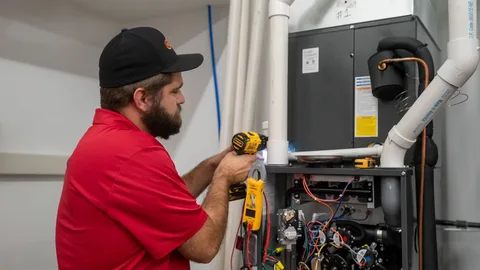
Trying to diagnose or repair a furnace without the appropriate training can create additional problems, particularly when the system involves gas, combustion, electrical components, and ventilation.
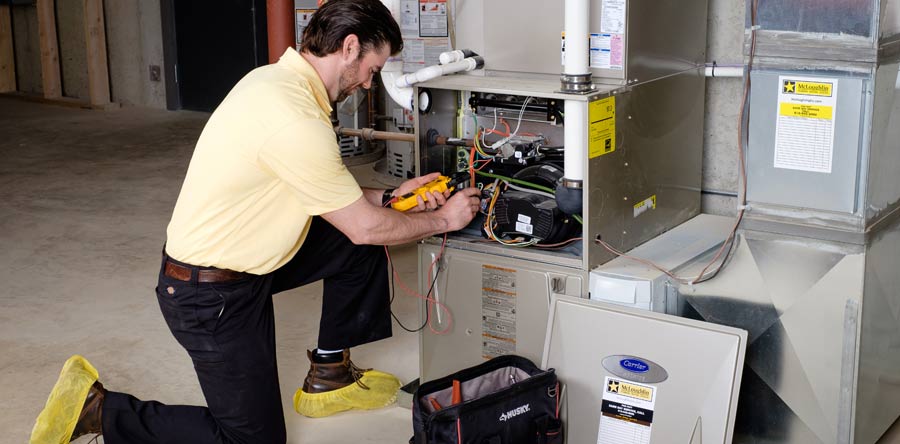
A professional HVAC technician can inspect the furnace, identify the source of the problem, and explain whether repair or replacement is appropriate.
Falcon Plumbing & Heating can help homeowners evaluate furnace problems and understand their available heating options. Whether your system needs a repair, routine maintenance, or replacement, professional service can help restore dependable home comfort.
Keep Your Furnace Working Reliably
A furnace does not always fail without warning. Changes in heating performance, unusual noises, frequent cycling, rising energy costs, repeated repairs, and other problems can provide clues that the system needs attention.
Addressing these signs early can help prevent avoidable breakdowns and give you more time to consider your options. If your furnace is showing multiple warning signs or you are unsure whether to repair or replace it, a professional inspection can provide the information you need to make an informed decision.
With proper maintenance, timely repairs, and professional guidance from Falcon Plumbing & Heating, homeowners can keep their heating systems operating safely and reliably.