Keeping your home warm during colder weather does not have to mean using more energy than necessary. Whether your home relies on an oil furnace, oil boiler, gas furnace, or gas boiler, proper maintenance and smart heating habits can help your system operate more efficiently.
Energy efficiency depends on more than the heating equipment itself. Airflow, insulation, thermostat settings, filters, ductwork, and regular professional maintenance can all affect how much energy your heating system uses.
If you want to improve heating efficiency and maintain comfortable indoor temperatures, these practical tips can help.
Schedule Regular Heating System Maintenance
One of the most effective ways to support heating efficiency is to keep your system properly maintained.
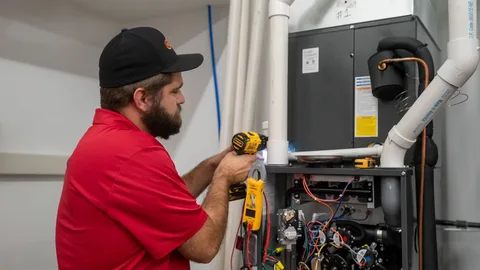
Over time, components can become dirty or worn, airflow can become restricted, and small mechanical problems can affect system performance. Regular professional maintenance gives a technician an opportunity to inspect important components and identify issues before they become larger problems.
For both oil and gas heating systems, routine service can help support reliable operation throughout the heating season.
Replace or Clean Your Air Filter
If your heating system uses a forced-air furnace, the air filter plays an important role in maintaining proper airflow.
A dirty filter can restrict airflow and make the furnace work harder to distribute heated air. Check the filter regularly and replace or clean it according to the manufacturer’s recommendations.
The right replacement schedule depends on factors such as the filter type, system usage, household conditions, and indoor air quality needs.
Use Your Thermostat Efficiently
Your thermostat controls when your heating system operates, so small changes to your temperature settings can affect energy use.
Avoid setting the thermostat significantly higher than your desired temperature in an attempt to heat the home faster. A furnace does not necessarily warm a house faster simply because the thermostat is set much higher.
A programmable or smart thermostat can also help manage heating schedules by automatically adjusting temperatures when you are sleeping or away from home.
Seal Drafts Around Windows and Doors
A heating system can only work efficiently if your home retains the heat it produces.
Drafts around windows, doors, and other openings can allow heated air to escape while allowing cold air to enter. Inspect common problem areas and seal appropriate gaps with suitable weatherstripping or caulking.
Improving air sealing can reduce unnecessary heat loss and help maintain more consistent indoor temperatures.
Check Your Home’s Insulation
Insulation helps slow the transfer of heat between your home and the outdoors. Poorly insulated attics, walls, floors, and other areas can contribute to heat loss.
If your heating system seems to run frequently but your home still struggles to stay warm, the problem may not be the furnace or boiler alone. Insulation and air leakage should also be considered.
A home energy assessment can help identify areas where additional insulation or air sealing may be beneficial.
Keep Supply and Return Vents Clear
For forced-air heating systems, furniture, curtains, rugs, and other household items should not block supply or return vents.
Restricted airflow can make it harder for heated air to circulate throughout the home. Keep vents open and unobstructed so your heating system can distribute air effectively.
If certain rooms consistently receive less heat than others, have the system and ductwork inspected rather than simply increasing the thermostat setting.
Maintain Your Ductwork
Leaking or poorly connected ductwork can reduce the amount of heated air that actually reaches your living spaces.
Inspect accessible ducts for visible damage or disconnected sections. Professional ductwork evaluation may also identify leaks, insulation problems, or airflow restrictions that are difficult to spot.
Improving duct performance can help your heating system deliver heat more effectively.
Keep Radiators and Baseboards Unblocked
Homes with oil or gas boilers may use radiators or baseboard heaters rather than forced-air vents.
Avoid placing furniture, curtains, or other objects directly over or in front of these heating surfaces. Obstructions can interfere with heat distribution and make rooms feel colder.
Keeping these areas clear allows heat to circulate more effectively.
Keep Your Oil Heating System Properly Maintained
Oil heating systems require specific maintenance to keep equipment operating properly. Oil burners, boilers, furnaces, filters, and related components should be inspected and serviced according to the equipment manufacturer’s recommendations.
Regular service can help identify combustion, fuel delivery, soot buildup, or other issues that may affect system performance.
Homeowners should also pay attention to changes in heating performance, unusual odors, smoke, or unusual equipment noises and arrange professional service when necessary.
Maintain Your Gas Heating System
Gas furnaces and boilers also require routine professional maintenance.
A technician can inspect components such as burners, ignition systems, heat exchangers, ventilation, controls, and other relevant parts. Keeping the equipment clean and properly adjusted can help support safe and efficient operation.
If you notice unusual odors, repeated ignition problems, unusual sounds, or changes in heating performance, arrange a professional inspection.
Take Care of Your Chimney and Venting
Proper venting is important for combustion-based heating systems. Oil and gas equipment produces combustion byproducts that must be safely vented from the home.
Chimneys, flues, and other venting components should be maintained and inspected as appropriate for the heating system.
Do not block, modify, or attempt to repair heating-system ventilation without professional guidance.
Consider the Age and Condition of Your Heating System
Older heating equipment may not operate as efficiently as newer systems, particularly when components are worn or the system has not been properly maintained.
If your heating system requires frequent repairs, struggles to maintain comfortable temperatures, or produces steadily increasing heating costs, have it professionally evaluated.
Replacement is not automatically necessary because a system is old. However, comparing repair requirements, operating performance, and replacement options can help you determine the most practical approach.
Avoid Heating Empty Rooms Unnecessarily
If certain areas of your home are rarely occupied, adjusting your heating strategy may help reduce unnecessary energy use. However, homeowners should avoid shutting off heat in areas where doing so could create problems such as frozen pipes or excessive moisture.
A professional can help you determine an appropriate heating strategy based on your home’s layout and heating system.
Use Curtains and Blinds Strategically
Windows can contribute to heat loss during cold weather. Closing curtains or blinds at night can help reduce heat transfer through windows.
During sunny periods, opening suitable window coverings can allow sunlight to contribute some passive warmth to interior spaces.
These simple habits can complement your home’s heating system without requiring equipment changes.
Do Not Ignore Small Heating Problems
A small heating problem can sometimes affect efficiency before it becomes a major breakdown.
Watch for signs such as:
- Longer heating cycles
- Uneven temperatures
- Unusual noises
- Frequent system cycling
- Weak airflow
- Unusual odors
- Increasing heating costs
- Difficulty reaching the thermostat setting
Addressing problems early can help prevent additional wear and maintain more reliable operation.
When to Consider a Heating System Upgrade
If your oil or gas heating system is becoming increasingly expensive to operate or repair, it may be time to evaluate replacement options.
A newer heating system can provide updated technology and efficiency features, but the right equipment depends on the home’s heating requirements and existing infrastructure.
Before purchasing a new furnace or boiler, have the property professionally evaluated. Proper sizing is important because an incorrectly sized system may not provide the comfort or efficiency you expect.
How Falcon Plumbing & Heating Can Help
Improving heating efficiency starts with understanding how your entire system operates. Falcon Plumbing & Heating can help homeowners with heating maintenance, repairs, system evaluations, and replacement needs.
Whether your home uses oil or gas heating, professional service can help identify issues affecting performance and ensure important components receive the attention they need.
Regular maintenance combined with sensible energy-saving habits can help your heating system provide dependable comfort throughout the season.
Make Your Heating System Work More Efficiently
Energy efficiency is not based on one single adjustment. It comes from combining proper maintenance, good airflow, appropriate thermostat settings, effective insulation, air sealing, and timely repairs.
Whether you rely on an oil or gas heating system, taking care of your equipment and addressing problems early can help support comfortable and efficient home heating.
If you are experiencing rising heating costs, inconsistent temperatures, or repeated furnace or boiler problems, Falcon Plumbing & Heating can help evaluate your system and explain the available options.