A reliable air conditioning system can make a significant difference in home comfort during hot weather. When temperatures rise, your AC needs to work efficiently to maintain a comfortable indoor environment. Whether you are installing a new system or dealing with an existing unit that is not cooling properly, professional service can help keep your home comfortable.
Air conditioning installation and repair involve more than simply turning on the equipment or replacing a component. Proper system sizing, installation, airflow, refrigerant levels, electrical connections, and regular maintenance all play a role in reliable AC performance.
Understanding when your system needs professional attention can help prevent uncomfortable breakdowns and unnecessary repair costs.
When Should You Consider a New AC Installation?
An air conditioner does not necessarily need to be replaced because it is several years old. However, certain problems may indicate that a new system is worth considering.
You may want to discuss replacement options if your AC:
- Requires frequent repairs
- Struggles to cool your home
- Produces inconsistent temperatures
- Causes unexpectedly high energy bills
- Makes unusual noises
- Uses an older system with outdated components
- Experiences recurring refrigerant or performance problems
A professional HVAC evaluation can help determine whether repairing the existing system or installing new equipment is more appropriate.
Why Proper AC Sizing Matters
Choosing the correct size is one of the most important parts of air conditioning installation.
An oversized system may cool the home quickly but cycle on and off too frequently. This can affect humidity control, comfort, and system performance.
An undersized system may run for long periods while struggling to reach the desired temperature.
Professional sizing considers factors such as the home’s size, layout, insulation, windows, local climate, and other characteristics. Choosing equipment based on these factors can help support consistent and efficient cooling.
What Happens During Air Conditioning Installation?
A professional AC installation generally involves several important steps.
Evaluating the Existing System
Before installation, the technician evaluates the current equipment, ductwork, electrical connections, thermostat, and available installation space.
This helps determine what can be reused and what may need to be updated.
Selecting the Right Equipment
The new air conditioner should match the home’s cooling requirements. The technician can explain available system options, efficiency ratings, features, and expected maintenance requirements.
Installing the Indoor and Outdoor Components
Depending on the system, installation may involve an indoor air handler or evaporator coil along with an outdoor condenser unit.
The components need to be correctly positioned and connected for proper operation.
Checking Refrigerant and Electrical Connections
Refrigerant lines and electrical connections are essential parts of an AC system. These components should be installed and checked according to manufacturer specifications and applicable requirements.
Testing the System
After installation, the system should be tested to verify cooling performance, airflow, thermostat operation, and other important functions.
Proper testing helps identify installation issues before the system is placed into regular use.
Signs Your Air Conditioner Needs Repair
Air conditioning problems do not always result in a complete system failure. In many cases, the system provides warning signs before a major breakdown occurs.
Your AC Is Blowing Warm Air
If your air conditioner is running but producing warm or insufficiently cool air, several issues could be responsible. Problems with airflow, refrigerant, electrical components, the compressor, or other parts may affect cooling performance.
A professional inspection can identify the actual cause rather than relying on guesswork.
Weak Airflow
Weak airflow from vents can make it difficult for your AC to cool the home evenly.
A clogged filter, ductwork problem, blower issue, or other restriction may be responsible. Checking the filter is a good first step, but persistent airflow problems should be professionally evaluated.
Frequent Cycling
An AC system that repeatedly turns on and off may have a thermostat issue, airflow problem, sizing concern, or mechanical fault.
Frequent cycling can place additional stress on the system and should not be ignored if it continues.
Unusual Sounds
New or unusual noises can indicate a developing mechanical problem.
Listen for sounds such as:
- Grinding
- Rattling
- Screeching
- Humming
- Clicking
- Banging
The specific sound does not always identify the exact problem, so professional inspection is recommended.
Water or Moisture Around the System
Air conditioners naturally remove moisture from indoor air, but water should not accumulate where it can damage the home.
Leaks or excessive moisture around an indoor AC component may indicate a clogged drain, drainage problem, or another issue requiring attention.
Rising Energy Bills
If your cooling costs increase without a major change in usage, your AC system may not be operating as efficiently as it once did.
Dirty components, airflow restrictions, refrigerant problems, aging equipment, and other issues can affect performance.
Why Regular AC Maintenance Matters
Routine maintenance can help keep an air conditioning system operating reliably throughout the cooling season.
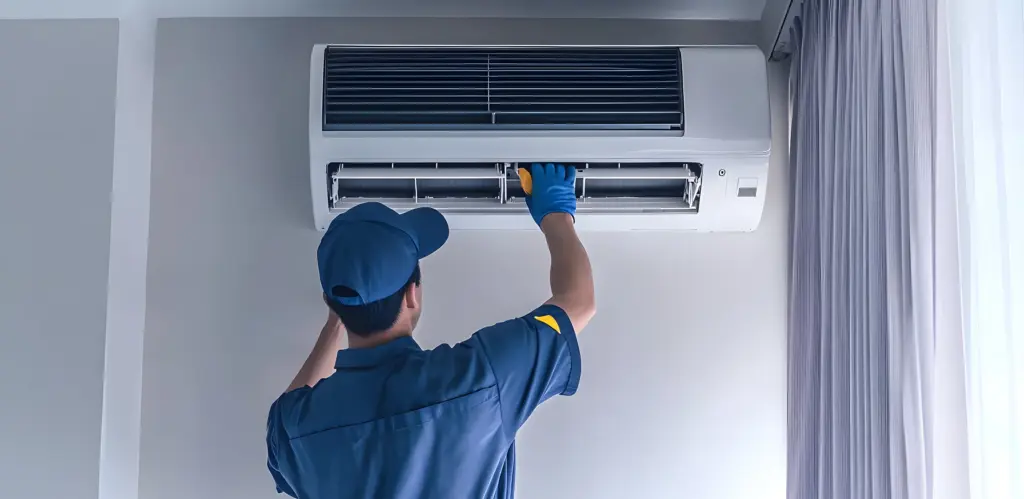
Professional maintenance may include inspecting important components, checking airflow, examining electrical connections, cleaning appropriate parts, and evaluating overall system operation.
Homeowners should also replace or clean filters according to the manufacturer’s recommendations.
Regular maintenance does not guarantee that an AC system will never break down, but it can help identify developing problems and support consistent performance.
Keep Your Air Conditioner Working Efficiently
There are several simple steps homeowners can take between professional service visits.
Replace the Air Filter
A dirty filter can restrict airflow and make the system work harder. Check your filter regularly and replace it when necessary.
Keep Outdoor Units Clear
Leaves, grass, branches, and other debris can accumulate around the outdoor condenser. Keep the area around the unit reasonably clear so air can circulate properly.
Keep Vents Unblocked
Furniture, curtains, and other objects should not block supply or return vents. Good airflow helps distribute cooled air throughout the home.
Use Your Thermostat Wisely
Avoid making extreme thermostat adjustments in an attempt to cool your home faster. A consistent temperature setting can help your system operate more predictably.
Repair or Replace Your Air Conditioner?
One of the most common questions homeowners face is whether an aging AC system should be repaired or replaced.
Repair may make sense when the system is otherwise in good condition and the problem involves a relatively straightforward component.
Replacement may be worth considering when the system has frequent breakdowns, major repair requirements, declining performance, or increasing operating costs.
The right decision depends on the equipment’s age, condition, repair history, efficiency, and expected future maintenance needs.
Why Professional AC Service Matters
Air conditioning systems contain electrical components, refrigerant circuits, motors, and other specialized equipment. Attempting complex repairs without the appropriate training can create additional problems or safety risks.
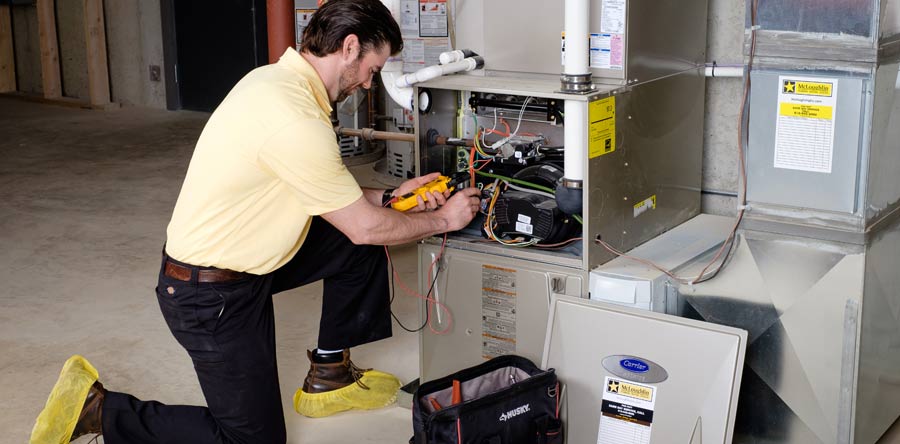
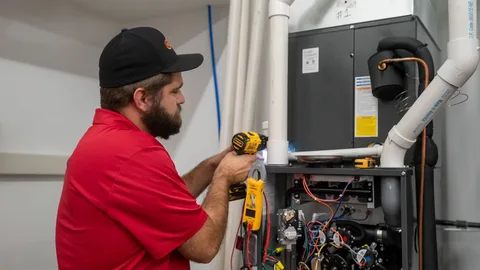
Professional HVAC technicians have the equipment and knowledge needed to diagnose problems and complete appropriate repairs or installation work.
Falcon Plumbing & Heating can help homeowners with air conditioning installation, repairs, maintenance, and system evaluations. Whether your current AC is struggling to keep up or you are planning a replacement, professional guidance can help you understand your options.
Keep Your Home Comfortable Year-Round
A dependable air conditioning system can make hot weather much more comfortable. Proper installation helps establish a strong foundation for system performance, while regular maintenance and timely repairs can help keep the equipment operating reliably.
If your AC is producing warm air, experiencing weak airflow, making unusual noises, or requiring increasingly frequent repairs, do not wait for a complete breakdown. A professional evaluation can help identify the problem and determine whether repair or replacement is appropriate.
With professional service from Falcon Plumbing & Heating, homeowners can take proactive steps toward reliable cooling and a more comfortable home.