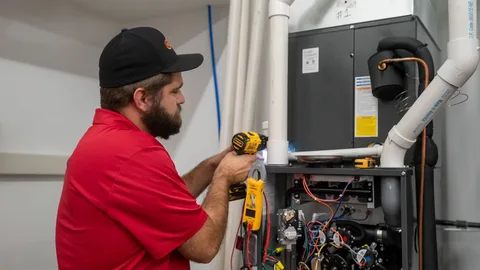
If your home currently relies on an oil heating system, you may be considering whether switching to natural gas makes sense. Converting from oil to gas can change how your home is heated, how the system is maintained, and how you manage heating expenses over time.
The conversion process involves more than replacing one heating appliance with another. A professional needs to evaluate your home’s existing heating system, gas availability, venting, fuel connections, and overall heating requirements before determining what the project will involve.
Understanding the potential benefits, costs, and installation process can help homeowners decide whether an oil-to-gas conversion is appropriate for their property.
Why Consider Converting from Oil to Gas?
Oil heating has been used in homes for many years, but homeowners may consider gas heating for several practical reasons.
Natural gas systems can provide consistent heat and may require less hands-on fuel management than oil systems. Instead of scheduling oil deliveries and maintaining an onsite oil tank, homeowners with natural gas service receive fuel through a utility connection.
A conversion may also provide an opportunity to replace an aging heating system with newer equipment that offers updated features and efficiency.
Benefits of Switching from Oil to Gas
The advantages of converting from oil to gas can vary depending on your home, existing system, local utility rates, and available infrastructure.
Convenient Fuel Delivery
Oil heating requires fuel to be stored in a tank and replenished through deliveries. Natural gas is delivered through a utility pipeline, so homeowners generally do not need to schedule fuel deliveries or monitor the level of an oil tank.
Potentially Lower Maintenance Requirements
Gas heating systems do not require the same type of oil storage and delivery infrastructure. Depending on the equipment and installation, this can simplify certain aspects of ongoing heating maintenance.
Regular professional maintenance is still important for gas heating equipment to support safe and reliable operation.
No On-Site Oil Storage
An oil heating system typically requires a storage tank. Converting to gas may eliminate the need for that tank, potentially creating additional usable space and removing concerns associated with aging oil storage equipment.
Modern Heating Equipment
An oil-to-gas conversion gives homeowners an opportunity to install modern heating equipment. Newer systems may offer improved controls, efficiency, and compatibility with modern thermostats.
Consistent Heating
A properly sized and installed gas heating system can provide consistent heat throughout the home. Professional evaluation is important to make sure the new system matches the property’s heating requirements.
How Much Does an Oil-to-Gas Conversion Cost?
The cost of converting from oil to gas varies significantly from one home to another. There is no single price that applies to every project.
Several factors can influence the total cost, including:
- Whether natural gas service is already available at the property
- The cost of connecting the home to the gas supply
- The type and size of the new heating equipment
- Required gas piping
- Venting modifications
- Electrical work
- Thermostat or control upgrades
- Removal or abandonment of the existing oil equipment
- Oil tank removal or replacement requirements
- Ductwork or distribution modifications
- Local permit and inspection requirements
The best way to understand the cost is to have a qualified professional evaluate the property and provide a detailed estimate based on the actual installation requirements.
What Is Involved in an Oil-to-Gas Conversion?
Every conversion is different, but the process generally follows several stages.
1. Evaluate the Existing Heating System
The first step is assessing the current oil furnace or boiler, fuel tank, distribution system, ductwork or radiators, and overall condition of the heating system.
The technician can also determine whether existing components can be reused with the new gas equipment.
2. Confirm Natural Gas Availability
Before planning the conversion, homeowners need to determine whether natural gas service is available at the property.
If a gas connection is not already present, additional work may be required to bring service to the home. The local utility provider may have its own requirements, connection procedures, and costs.
3. Select the Appropriate Gas Equipment
The replacement heating system should be properly sized for the home. Equipment selection may depend on the home’s size, insulation, layout, existing distribution system, and heating requirements.
Choosing a furnace or boiler based solely on the size of the existing oil system is not necessarily the right approach.
4. Plan Gas Piping and Venting
Gas equipment requires appropriate gas connections and combustion ventilation. Depending on the existing setup, new piping and venting may need to be installed.
These components should be designed and installed according to applicable safety requirements and manufacturer specifications.
5. Remove or Decommission Oil Equipment
The existing oil heating equipment will need to be removed or properly decommissioned. If the property has an oil storage tank, homeowners should ask about the appropriate removal or abandonment process.
Oil tank work can have specific local requirements, so it should be handled by qualified professionals.
6. Install and Connect the New Gas System
Once the necessary preparation is complete, the new furnace or boiler can be installed. Gas, electrical, venting, thermostat, and heating distribution connections are completed as required.
7. Test the System
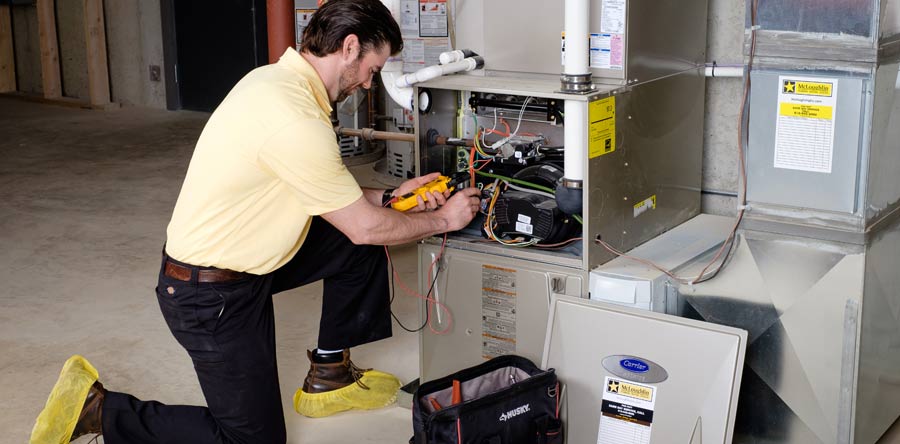
The final stage involves testing the heating system to verify proper operation. The technician should check the equipment, connections, airflow or water circulation, controls, and other relevant components.
Can Existing Ductwork or Radiators Be Reused?
In many homes, existing heat distribution components can potentially be reused, but this depends on the type and condition of the system.
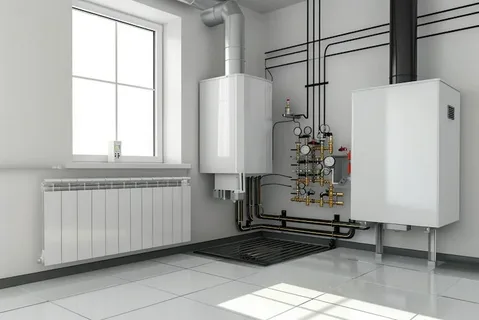
For example, a home with an existing hot-water heating system may be able to continue using its radiators with a compatible gas boiler. Similarly, existing ductwork may be usable when replacing an oil furnace with a properly matched gas furnace.
A professional evaluation can determine whether the existing distribution system is suitable or whether modifications are necessary.
What Happens to the Old Oil Tank?
The oil tank is an important part of the conversion process. Depending on its location, condition, and local requirements, it may need to be removed or properly decommissioned.
Homeowners should not assume that an unused oil tank can simply be left in place. A qualified professional can explain the applicable options and requirements for the property.
Is Converting to Gas Right for Every Home?
Not necessarily. An oil-to-gas conversion depends on factors such as gas availability, installation requirements, existing heating infrastructure, equipment condition, and the homeowner’s long-term plans for the property.
Homeowners should compare the expected installation costs and ongoing considerations with their current oil heating system before making a decision.
A professional assessment can provide a clearer picture of what the conversion would require and whether the existing system has alternatives worth considering.
Why Professional Installation Matters
Working with qualified professionals is especially important when converting a heating system that involves fuel lines, combustion equipment, ventilation, and electrical connections.
Proper installation helps ensure that the new system is correctly sized, connected, vented, and tested. It can also help identify potential issues with the existing heating infrastructure before they become problems.
Falcon Plumbing & Heating can evaluate your current heating setup, explain the conversion process, and help you understand the equipment and installation requirements involved in switching from oil to gas.
Maintaining Your New Gas Heating System
After conversion, regular maintenance remains important. Homeowners should follow the equipment manufacturer’s recommendations for filter changes, inspections, and professional service.
Annual heating-system maintenance can provide an opportunity to inspect components, check system operation, and identify developing issues before they affect comfort.
Keeping vents and air returns clear and paying attention to unusual sounds, odors, or changes in heating performance can also help homeowners identify problems early.
Make an Informed Oil-to-Gas Conversion Decision
Converting from oil to gas can be a significant home improvement project. The potential benefits include convenient fuel delivery, modern heating equipment, elimination of onsite oil storage, and potentially simpler fuel management.
However, the total cost and complexity depend heavily on the individual property. Gas availability, equipment selection, piping, venting, oil tank requirements, and existing heating infrastructure all need to be considered.
Before moving forward, have your home evaluated by a qualified professional. Falcon Plumbing & Heating can help you understand the practical requirements of an oil-to-gas conversion and determine what steps may be needed to update your home’s heating system.