Hot water is an everyday necessity in most homes, from showers and laundry to dishwashing and household cleaning. When an existing water heater starts failing or a homeowner is building or remodeling a home, choosing the right replacement system is an important decision.
Two common options are traditional storage tank water heaters and tankless water heaters. Both systems can provide reliable hot water, but they operate differently and have different installation requirements, costs, maintenance needs, and space considerations.
Understanding how each system works can help you determine which option may be appropriate for your home.
How Traditional Tank Water Heaters Work
A traditional water heater stores a supply of hot water in an insulated tank. The heating element or burner heats the water and maintains it at the selected temperature until it is needed.
Tank water heaters are available in different sizes, allowing homeowners to choose a unit based on household hot water demand.
One of the main advantages of a storage tank is that hot water is readily available when needed. However, the tank has a limited capacity, so a household can eventually use more hot water than the system can provide at one time.
How Tankless Water Heaters Work
Tankless water heaters operate differently. Instead of storing a large volume of heated water, they heat water as it flows through the system.
When a hot water tap is turned on, the unit detects the flow and activates the heating system. The water is then heated as it passes through the unit.
Because there is no large storage tank, tankless systems can take up less space and can provide hot water continuously as long as the system has sufficient capacity.
Tank vs. Tankless Water Heaters
Both systems can be suitable depending on the home’s needs. The differences become clearer when considering factors such as installation, capacity, energy use, and available space.
Hot Water Capacity
A traditional tank heater has a defined amount of stored hot water. Once that supply is used, the household may need to wait for the tank to recover.
A tankless system does not store a fixed amount of hot water. Instead, it heats water on demand, although its flow rate limits how much hot water it can provide at once.
For homes with multiple simultaneous hot water demands, proper system sizing is particularly important.
Energy Use
A traditional tank system periodically heats stored water to maintain its temperature, even when hot water is not being used.
Tankless systems generally heat water only when there is demand. This can reduce standby heat loss, although actual energy savings depend on the system, fuel type, household usage, installation, and other factors.
Homeowners should consider both equipment efficiency and their expected hot water usage rather than assuming one system will always cost less to operate.
Space Requirements
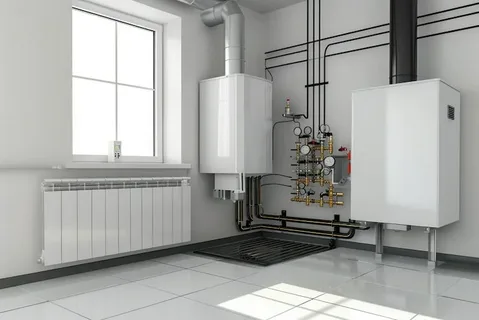
Traditional tank water heaters require enough space to accommodate the storage tank and provide appropriate installation clearances.
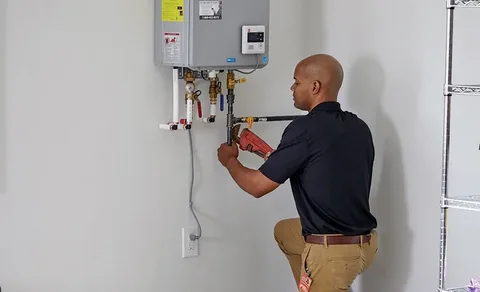
Tankless systems are generally more compact and can be mounted on a wall, which may be beneficial in homes where floor space is limited.
However, tankless installation can require changes to gas lines, electrical service, venting, or plumbing depending on the equipment selected.
Installation Requirements for Tankless Systems
Replacing a traditional tank heater with a tankless unit is not always a simple one-for-one replacement.
Depending on the model and fuel source, installation may require:
- Updated gas piping
- New venting
- Electrical modifications
- Plumbing adjustments
- Condensate drainage for certain systems
- Appropriate mounting space
- Changes to water connections
A professional plumber should evaluate the existing setup before recommending a tankless system.
Installation Requirements for Tank Water Heaters
Traditional tank water heaters also require proper installation. The technician needs to consider the tank size, fuel source, plumbing connections, ventilation where applicable, drainage, and installation location.
The water heater should be installed according to manufacturer specifications and applicable requirements.
Proper installation helps reduce the risk of leaks, performance problems, and premature equipment failure.
Which System Is More Suitable for a Large Household?
The right choice depends on how much hot water the household uses and when that demand occurs.
A traditional tank can provide a large amount of stored hot water, but the supply can eventually be depleted during periods of heavy use.
A properly sized tankless system can provide continuous hot water, but it also has a maximum flow rate. If multiple showers, appliances, and faucets operate simultaneously, the system must be capable of meeting that combined demand.
Professional sizing is important for either type of water heater.
What About Upfront Installation Costs?
The initial cost of a water heater depends on the equipment, installation requirements, fuel source, location, and modifications needed.
Traditional tank systems can have simpler installation requirements when replacing a similar existing unit.
Tankless systems may have higher installation costs when additional gas piping, electrical work, venting, or plumbing modifications are required.
Instead of comparing equipment prices alone, homeowners should consider the complete installation cost and expected long-term operating requirements.
Maintenance Requirements
Both tank and tankless water heaters require maintenance.
A tank water heater may need periodic inspection and flushing to help manage sediment buildup. Other components, including the anode rod and pressure relief valve, may also require attention.
Tankless systems can require periodic descaling, particularly in areas with hard water. Filters and other components may also need inspection depending on the system.
Following the manufacturer’s maintenance recommendations can help keep either system operating properly.
Signs Your Water Heater Needs Replacement
If your existing water heater is showing signs of deterioration, replacement may be worth considering.
Common warning signs include:
- Frequent loss of hot water
- Water leaking around the unit
- Rust or corrosion
- Strange noises
- Inconsistent water temperature
- Increasing operating costs
- Repeated repairs
- An aging system
A leak or significant performance problem should be professionally evaluated rather than ignored.
How to Choose the Right Water Heater
Before choosing between tank and tankless, consider several factors.
Household Hot Water Demand
Think about how many people live in the home and how often multiple fixtures or appliances require hot water simultaneously.
Available Space
Consider whether you have enough room for a traditional tank or whether a compact wall-mounted system would better suit the property.
Fuel Source
Your home’s existing gas or electrical infrastructure can influence which equipment is practical and what installation modifications may be necessary.
Budget
Consider both the initial installation cost and ongoing operating and maintenance expenses.
Long-Term Plans
If you plan to remain in your home for many years, long-term operating characteristics may be more important than the initial equipment cost alone.
Why Professional Water Heater Installation Matters
A water heater combines plumbing, heating, and in some cases gas or electrical systems. Improper installation can result in leaks, poor performance, equipment damage, or safety concerns.
Professional installation ensures the equipment is properly connected, sized, configured, and tested.
Falcon Plumbing & Heating can evaluate your existing water heating system, explain tank and tankless options, and help determine what type of installation is appropriate for your home’s hot water needs.
Keep Your Home Supplied With Reliable Hot Water
There is no single water heater that is right for every household. Traditional tank systems provide stored hot water and can be straightforward to replace, while tankless systems heat water on demand and can offer space-saving benefits and reduced standby heat loss.
The best choice depends on your household’s hot water demand, available space, fuel source, installation requirements, budget, and long-term expectations.
Before replacing your water heater, have the existing system professionally evaluated. Falcon Plumbing & Heating can help you understand your options and complete a proper water heater installation designed around your home’s needs.